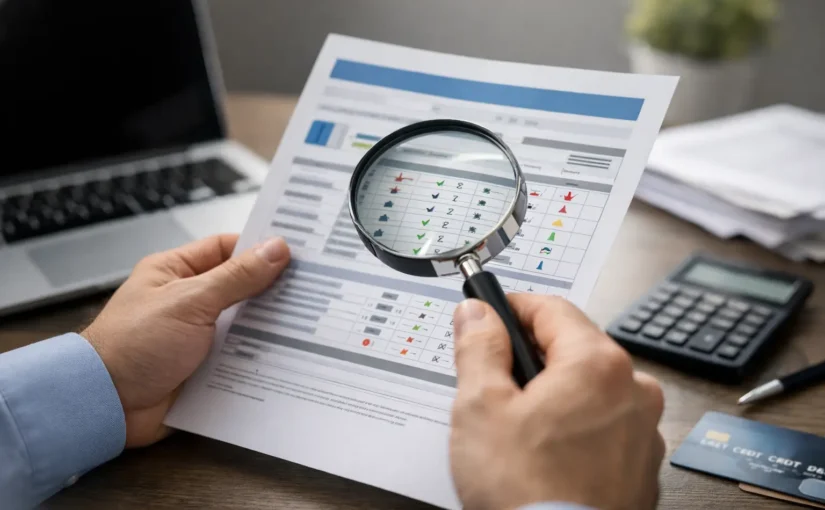
A creditor verification letter can feel like a setback after you have taken the time to dispute an account on your credit report. Before you assume the debt has been fully proven, learn how to respond to a creditor verification letter with a clear review process, organized records, and a focus on what is actually being reported.
A short response stating that an account was “verified” does not automatically mean every detail is accurate. It may mean the creditor or furnisher confirmed information in its system, such as your name, balance, payment history, or account status. If that information is wrong, incomplete, or cannot be connected to you, you may still have options to challenge it.
First, Identify What Kind of Letter You Received
The wording and sender matter. A letter from a credit bureau after you filed a dispute is usually a dispute investigation result. It may say the bureau verified the account and will continue reporting it. A letter directly from an original creditor may be a response to your request for information.
A letter from a collection agency can be different. If you received a written collection notice and sent a timely debt validation request, federal debt collection rules may require the collector to pause collection activity until it provides validation. That process is not the same as a credit bureau’s verification of a disputed account.
Do not treat these terms as interchangeable. “Verification” in a credit reporting dispute often involves the furnisher confirming data with the credit bureau. “Validation” generally refers to a debt collector responding to a consumer’s request for proof and details of a debt. Knowing which process applies helps you ask for the right information.
Review the Letter Against Your Credit Report
Pull a current copy of the credit report involved and compare it line by line with the letter. Focus on the specific account, not just the creditor’s name. Many consumers have similar accounts, accounts that were sold, or accounts that changed hands after a collection placement.
Check whether the account number matches, even if only the last few digits appear. Then review the balance, payment status, date of first delinquency, date opened, date closed, monthly payment history, and remarks such as “charged off,” “collections,” or “disputed by consumer.”
Look for inconsistencies that are meaningful. For example, a creditor may report that a balance is still owed even though you have proof it was paid. A collection account may show a date that makes the debt appear newer than it is. An account might belong to someone with a similar name, or it may remain on your report after identity theft has been documented.
Save copies of everything: the original dispute, the verification letter, your credit reports, statements, payment confirmations, settlement agreements, canceled checks, and relevant emails. A well-organized paper trail makes your next dispute more persuasive.
How to Respond to a Creditor Verification Letter When Data Is Wrong
If you find a real reporting error, respond in writing. Keep the letter factual, specific, and focused on the inaccurate information. Broad statements such as “this account is not mine” or “please remove this” are less effective when you can point to an exact discrepancy and attach supporting documents.
Your response should identify the account, explain the issue, request a specific correction or deletion, and include copies of evidence. Do not send original documents. Keep the originals in a secure file.
For example, if the balance is wrong, state the balance being reported, the balance you believe is correct, and why. If the account was paid or settled, include the payment receipt or settlement confirmation. If you are disputing identity theft, include the documents that support your claim, such as an identity theft report, police report where appropriate, or correspondence showing you previously notified the creditor.
You can use language like this:
> I am writing regarding account ending in 1234. Your recent verification response indicates that the account is being reported accurately. However, the reported balance of $2,450 is inaccurate. Attached is my settlement confirmation dated March 4, 2026, showing the account was resolved for $1,200 and that no further balance was due. Please investigate this discrepancy, correct the information furnished to the consumer reporting agencies, and send me written confirmation of the result.
Keep your tone calm and professional. You are building a record, not trying to win an argument in one letter.
Ask for the Method of Verification When Appropriate
If a credit bureau says it verified disputed information and you still believe the result is inaccurate, you may request information about the method used to verify the dispute. This can help you understand which company confirmed the data and how the bureau handled the investigation.
In your request, include your identifying information, the report confirmation number if available, the account in question, and the date of the bureau’s investigation results. Ask for the name, address, and telephone number of the furnisher that verified the information, along with a description of the procedure used.
This request does not guarantee that the item will be removed. Still, it can reveal whether the dispute was sent to the correct furnisher and can give you direction for a more targeted follow-up. If the information is being furnished inaccurately, disputing directly with the company reporting it may be appropriate as well.
Avoid These Common Mistakes
Stress can make it tempting to send a quick response, but a few missteps can weaken your position. Avoid admitting that a debt is yours if you are genuinely unsure. Do not ignore a collection letter or court notice, especially if deadlines are involved. And do not resend the same dispute without adding new facts, documents, or a clearer explanation of the error.
Be careful with online dispute forms, too. They can be convenient for straightforward errors, but they may limit the space you have to explain a complicated issue or attach a complete document trail. For a detailed dispute, a written letter with copies of evidence may create a stronger record. Consider sending important correspondence by a method that provides proof of delivery.
Also, do not assume a verified account is beyond challenge. A verified result may be correct, or it may reflect an incomplete investigation, outdated records, mixed-file error, or inaccurate data from the furnisher. The right next step depends on the facts and the documents you can provide.
Know When the Issue Needs More Attention
Some cases deserve additional support. This includes identity theft, accounts tied to a divorce or former joint borrower, debt that may be past the reporting period, inaccurate late-payment history, duplicate collections, or a creditor that continues reporting information you can document as false.
If you receive a summons, complaint, wage garnishment notice, or another legal document, respond promptly and consider speaking with a qualified consumer attorney in your state. A credit dispute letter is not a substitute for answering a lawsuit or meeting a court deadline.
For consumers who feel overwhelmed by multiple negative accounts, a guided credit review can help separate accurate items from reporting errors and prioritize the steps that may make the biggest difference. Credit At Last helps consumers understand their reports, document disputes, and build a practical plan toward stronger financing options and greater financial control.
A verification letter is not a verdict on your financial future. Read it closely, trust the documents you can support, and take one well-documented step at a time. Progress often starts with simply refusing to let an inaccurate report go unanswered.