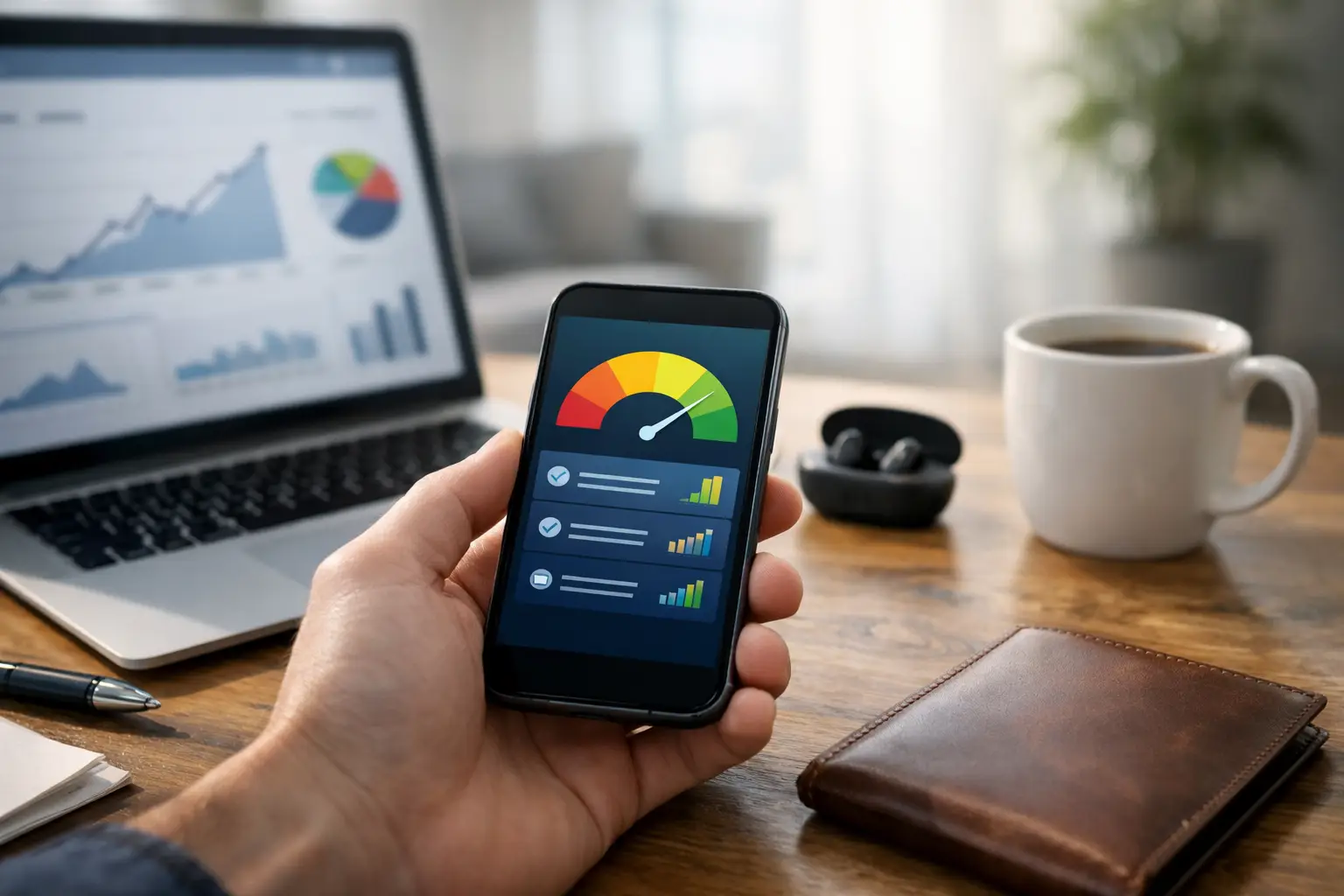
You usually do not start looking for a credit app on a good day. It often happens after a loan denial, a surprise score drop, a collection notice, or that uneasy feeling that something on your report is not right. This credit monitoring apps review is built for that moment – when you want clear answers, not hype, and you need to know whether an app will actually help you protect and improve your credit.
What a credit monitoring app can actually do
A good monitoring app helps you keep an eye on your credit profile without making you log into three different places and guess what changed. Most apps track score updates, alert you to new accounts, show balance changes, and warn you about hard inquiries or missed payments reported to the bureaus.
That sounds useful, and it is. If your goal is awareness, speed, and convenience, these tools can help. They are especially valuable if you are preparing to apply for a car loan, rent an apartment, or buy a home and want fewer surprises.
What they usually do not do is just as important. A monitoring app does not repair inaccurate items by itself. It does not negotiate with creditors. It does not guarantee a score increase. And it will not always show the exact score a lender uses. That gap matters because many people assume monitoring equals fixing. It does not.
Credit monitoring apps review – where they help most
The best reason to use a credit monitoring app is early visibility. If a new collection suddenly appears, if your utilization jumps, or if someone opens an account in your name, an alert can give you a head start. That kind of timing matters.
These apps also help people connect behavior to outcomes. If you pay down cards and see utilization fall, or if a late payment hits and your score drops, the app can make the cause and effect easier to understand. For someone trying to rebuild credit, that feedback can be motivating.
Another real benefit is consistency. Many people know they should check their credit, but they do not. An app puts reminders and updates right in front of you. That can turn credit awareness from an occasional task into a habit.
Where credit monitoring apps fall short
The biggest issue is that many apps are designed to feel more complete than they really are. A clean dashboard and daily score updates can create the impression that your entire credit life is covered. In reality, coverage varies.
Some apps only provide scores based on one bureau or one scoring model. Some focus heavily on educational scores that lenders may not use for actual approval decisions. Others emphasize identity alerts but offer limited help if you need to dispute inaccurate reporting.
There is also a difference between seeing a problem and solving a problem. If an app tells you a charge-off was updated, that may be helpful. But if the reporting is inaccurate, outdated, or incomplete, you still need a plan to challenge it properly. That is where many consumers get stuck.
Cost can be another trade-off. Free apps are often enough for basic score tracking and general alerts. Paid plans may add more bureau coverage, identity protection features, or simulator tools, but not every paid upgrade translates into better financial outcomes. If the app costs you monthly but does not help you make smarter decisions or catch issues early, the value may be limited.
What to look for before you choose one
The right app depends on why you need it. If you are simply checking your score while paying down debt, a free option may be enough. If you are concerned about fraud or active identity theft, broader monitoring may be worth paying for.
Look first at bureau coverage. Some services monitor one bureau, while others include all three. Three-bureau monitoring is not automatically necessary for everyone, but it is stronger protection if you are worried about missing important changes.
Next, pay attention to the score model. Many apps provide VantageScore, which can still be useful for tracking trends. But if you are getting ready for a mortgage or auto loan, remember that lenders often rely on FICO versions. That does not make the app useless. It just means you should not treat every app score like a final lending score.
Alerts should also be specific and timely. You want to know what changed, when it changed, and what to do next. A vague message that your credit profile was updated is less helpful than an alert that tells you a new inquiry posted or a balance increased on a specific account.
Finally, read the fine print around support. If your app flags suspicious activity, is there real help behind it, or only a generic FAQ? If a report item looks inaccurate, does the app explain dispute options clearly? Technology is helpful, but for stressful credit situations, human guidance still matters.
The features people overvalue
Score simulators get a lot of attention, but they are estimates, not promises. They can be useful for seeing how paying down a balance might help, yet they cannot account for every scoring factor or lender rule. Use them for direction, not certainty.
Dark web monitoring sounds reassuring, but it is not a complete fraud shield. It may alert you if certain information appears in known breaches, but it cannot prevent misuse on its own. If identity theft is your concern, focus on the full response process, not just the alert badge.
Credit education libraries are nice to have, but information alone does not always create progress. If you are dealing with collections, charge-offs, mixed files, or reporting errors, education is only one piece of the solution.
The features that matter more than people think
Clarity matters. A strong app should show your open accounts, payment history signals, utilization trends, and recent inquiries in a way that is easy to understand. If you cannot quickly tell what changed and why, the app is adding noise instead of value.
Consistency matters too. An app that updates regularly and alerts you quickly is more useful than one with flashy visuals and delayed data. Credit issues can move fast, especially if you are in the middle of applying for financing.
And context matters. The best tools do not just report movement. They help you understand whether the change is minor, urgent, positive, or harmful. That kind of explanation helps people make calmer, smarter choices.
Who should use a monitoring app, and who needs more than that
If your credit file is generally accurate and your main goal is staying informed, a monitoring app makes sense. It can help you watch your progress, avoid missed surprises, and stay focused while you build stronger habits.
If you are recovering from financial setbacks, though, monitoring alone may not be enough. People dealing with inaccurate late payments, duplicate collections, identity errors, or creditor reporting problems often need more than alerts. They need a strategy.
That is the part many reviews miss. An app can tell you there is smoke. It cannot always tell you where the fire started or how to put it out. If your report has questionable items, if your score does not seem to match your behavior, or if you have already been denied credit, it may be time for hands-on support in addition to monitoring.
For many consumers, the strongest approach is a combination: use an app for visibility, then pair that visibility with real credit education and, when needed, professional dispute guidance. That is often how progress becomes measurable instead of frustrating.
A realistic way to judge any app
Ask three simple questions. First, does this app help me spot changes quickly? Second, does it help me understand what those changes mean? Third, if something is wrong, do I know what step comes next?
If the answer to the first two is yes but the third is no, the app may still be useful, but only up to a point. Awareness is valuable. Resolution is what changes outcomes.
A balanced credit monitoring apps review should leave you with realistic expectations. These apps are good tools for tracking, alerting, and building awareness. They can support better habits and help you catch trouble early. But they are not a substitute for reviewing your full reports carefully, disputing inaccuracies properly, and following a credit improvement plan that fits your life.
If you choose an app, choose it for what it does well, not for what the marketing suggests. Credit progress rarely comes from one dashboard alone. It comes from consistent action, informed decisions, and getting the right help when a problem is bigger than an alert.