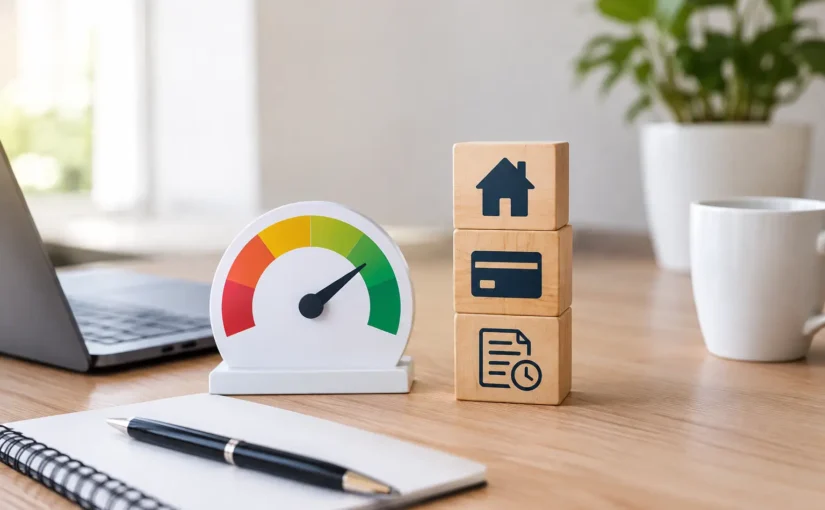
A credit score rarely recovers because of one big move. It recovers when your credit report begins showing a different pattern month after month: bills paid on time, balances managed with intention, and fewer financial surprises. The right financial habits for score recovery can help you move from feeling stuck after late payments, collections, or a loan denial to making steady, visible progress.
That does not mean you need a perfect budget or a high income before you start. It means creating a system that works with your real life. Credit recovery is personal, and the habits that matter most are the ones you can continue even during a stressful month.
Why Financial Habits Matter During Score Recovery
Credit scoring models look for evidence of responsible credit use over time. They do not know whether a late payment happened because of a medical emergency, job loss, or a simple oversight. What they can see is the information reported by your creditors: your payment history, account balances, available credit, account age, and recent applications for new credit.
This is why correcting inaccurate information on your credit reports can be an important first step. But once errors are addressed, your day-to-day choices still shape what gets reported next. A dispute may remove an item that does not belong to you, while consistent habits help build a stronger record going forward.
Progress is not always instant. If you have recent late payments or high revolving balances, improvement may take several billing cycles. The goal is not to chase a score every day. The goal is to create financial behavior that gives your score a better chance to recover.
Make On-Time Payments Non-Negotiable
Payment history carries significant weight in most credit scoring models. One missed due date can be expensive, especially when you are working to rebuild. The most effective habit is also the least glamorous: pay every account on time, every month.
Start by listing every bill with a due date, including credit cards, auto loans, student loans, personal loans, utilities, and any account that may report late payments. Then choose a system you will actually use. Some people prefer automatic minimum payments from a dedicated bill-pay account. Others need calendar alerts several days before each due date.
Paying the minimum on a credit card will not pay down debt quickly, but it can protect your payment history while you organize a larger payoff plan. If money is tight, contact the creditor before the due date. Ask whether there is a hardship option, a due-date change, or another arrangement. A conversation before a payment is late is usually more helpful than one after the account has fallen behind.
Build a Small Payment Cushion
A payment cushion is money set aside specifically for bills that are due before your next paycheck. Even a modest amount can prevent a timing problem from becoming a reported late payment. This is especially useful for hourly workers, commission-based professionals, and households with irregular income.
When possible, schedule payments a few days early rather than waiting until the final hour. Processing delays, bank issues, and simple forgetfulness are real. Your system should leave room for them.
Lower Credit Card Balances With a Clear Plan
Your credit utilization ratio compares your revolving card balances with your available credit limits. High utilization can make a score look riskier, even when you have never missed a payment. Bringing balances down is often one of the more visible ways to support score recovery.
Aim to keep reported balances comfortably below your total available limits. There is no single percentage that guarantees a specific score result, but lower utilization is generally better than consistently carrying cards near their limits. If you can pay your card balance before the statement closing date, not just the payment due date, the lower balance may be what gets reported to the credit bureaus.
Avoid the trap of closing a paid-off credit card simply because you want to remove temptation. Closing an account can reduce your available credit and raise utilization, particularly if you have only a few open cards. It may make sense to close a card with a high annual fee or one you cannot manage responsibly, but weigh the trade-off before acting.
If you have several balances, choose a payoff strategy that keeps you motivated. Paying the smallest balance first can create quick wins. Paying the highest-interest balance first can reduce the total cost of debt. Either approach can work if you continue making at least the minimum payment on every account.
Use Credit Carefully, Not Fearfully
After a financial setback, many people stop using credit entirely because they are afraid of making things worse. Others apply for multiple cards hoping for a quick increase in available credit. Neither extreme is usually ideal.
Responsible use means charging only what you can reasonably pay back and keeping activity manageable. For some people, that might mean using one card for a recurring expense, such as a phone bill or gas, then paying it down right away. This keeps the account active and creates a consistent payment pattern without turning the card into an extension of income.
Be selective with applications. A new account may help in some situations by adding available credit or establishing positive history, but several applications in a short period can result in hard inquiries and new accounts that temporarily affect your profile. Apply because an account fits your plan, not because an offer arrives in your inbox.
Check Your Credit Reports for Problems and Progress
A score is useful, but your credit reports tell the fuller story. Review reports regularly for accounts you do not recognize, incorrect late-payment history, inaccurate balances, duplicate collections, or personal information that does not belong to you. These mistakes can interfere with the progress your new habits are creating.
Keep records of statements, payment confirmations, dispute letters, and responses from creditors. Documentation matters when you are challenging inaccurate reporting or following up on an account that was supposed to be updated.
It also helps to separate a legitimate negative item from an inaccurate one. Accurate information generally cannot be removed just because it is unfavorable. However, inaccurate or incomplete reporting may be disputed. Knowing the difference helps you focus your energy on actions that can genuinely improve your credit profile.
Create a Spending Plan That Prevents New Damage
Score recovery is difficult when every month ends with more debt than the last one. A simple spending plan can give your credit habits room to work. Start with your take-home income, fixed bills, minimum debt payments, groceries, transportation, and essential household costs. Then look honestly at what remains.
You do not need to cut every enjoyable expense. But you do need to know whether purchases are coming from available cash or from a credit card balance you cannot pay down. If your budget is consistently short, the answer may involve reducing expenses, increasing income, negotiating bills, or seeking professional guidance. It depends on your circumstances, but ignoring the gap will usually lead to more missed payments or rising balances.
A small emergency fund is part of credit recovery, too. Without savings, an unexpected car repair or medical copay can quickly go on a credit card. Set aside what you can, even if it starts with a small automatic transfer each payday. The purpose is not perfection. It is reducing the chance that one surprise restarts the debt cycle.
Protect the Progress You Are Building
Once your score begins moving in the right direction, be cautious about choices that can reverse momentum. Co-signing a loan, maxing out a card for a major purchase, or letting an old account go unpaid can affect more than your monthly budget. These decisions can change what lenders see on your report.
Before taking on new debt, ask whether the payment fits your budget under normal conditions and under a difficult month. Consider the interest rate, the total repayment amount, and whether the financing moves you closer to a goal such as reliable transportation or homeownership. A lower monthly payment is not always a better deal if it stretches the debt over many more years.
If your report is complicated by collections, charge-offs, identity-related accounts, or reporting errors, personalized support can help you understand your options. Credit At Last works with consumers who want clear guidance, accurate dispute support, and a practical plan for rebuilding.
Your credit history is not a measure of your worth. It is a record that can change as you make better decisions, correct inaccurate information, and give your progress time to show. Start with the next due date, the next balance payment, and the next small deposit into savings. Those ordinary choices are often where a stronger financial future begins.