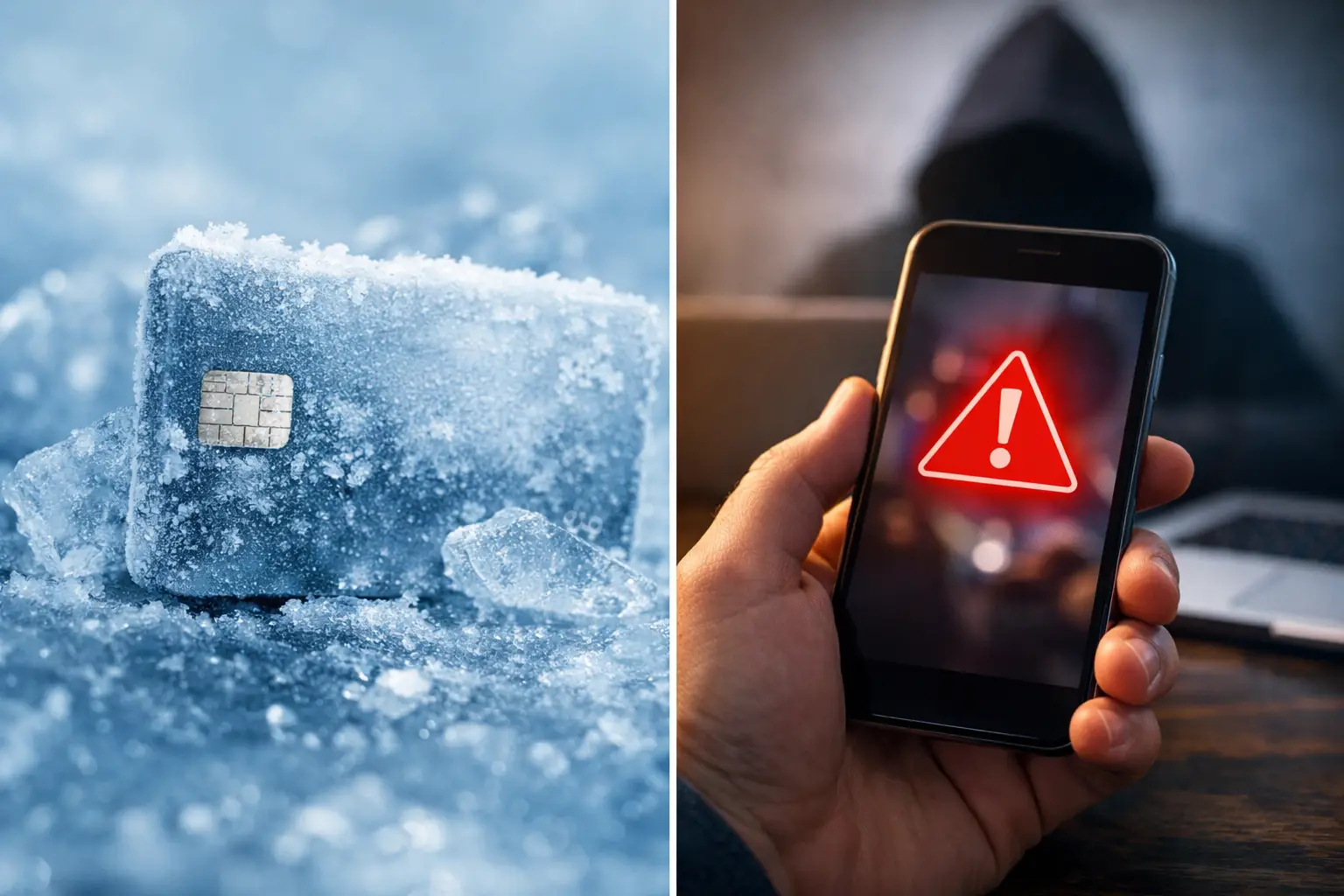
A surprise credit-card inquiry, a collection account you do not recognize, or an identity theft notice can make every financial decision feel urgent. When comparing a credit freeze vs fraud alert, the right choice depends on what happened, how quickly you need protection, and whether you expect to apply for credit soon.
Both tools are free for consumers and can help limit damage from identity theft. But they do very different jobs. A fraud alert asks lenders to take extra steps before opening credit in your name. A credit freeze restricts access to your credit report altogether. Knowing the difference can help you respond with confidence instead of panic.
Credit freeze vs fraud alert at a glance
A fraud alert is a notice placed on your credit file that tells potential lenders to verify your identity before approving new credit. The goal is to make it harder for someone else to open an account using your information. It does not prevent lenders from viewing your report or stop them from extending credit if they believe the applicant is really you.
An initial fraud alert generally lasts one year. You only need to contact one of the three nationwide credit bureaus to place it, and that bureau must notify the other two. If you have an identity theft report, you may qualify for an extended fraud alert that lasts seven years. Active-duty military members can also request an active-duty alert.
A credit freeze, also called a security freeze, is stronger. It limits most new creditors from accessing your credit report. Because many lenders rely on your report to approve a loan, credit card, auto financing, or apartment application, a freeze can stop a thief from opening many new accounts in your name.
You must place a freeze separately with each of the three nationwide credit bureaus. The freeze stays in place until you remove it, either temporarily or permanently. You can lift it when you are ready to apply for financing, then place it back after the lender has checked your report.
What each option does not do
Neither option repairs past damage. A freeze will not remove an account that was fraudulently opened before the freeze took effect, and a fraud alert will not erase inaccurate late payments, collections, or hard inquiries from your report.
Neither tool prevents misuse of an existing credit card, bank account, or debit card. If someone has access to an account you already own, contact that financial institution right away. You may need a replacement card, a new account number, or a dispute for unauthorized transactions.
They also do not replace the habit of reviewing your credit reports. Errors and suspicious activity can appear even when you have taken smart protective steps.
When a credit freeze makes more sense
A credit freeze is often the better choice when you believe your personal information has been exposed or used without permission. For example, it can be especially useful after a data breach, a stolen wallet, a lost Social Security card, suspicious new-account activity, or confirmed identity theft.
It is also a practical option if you do not expect to apply for credit in the near future. If you are not shopping for a mortgage, vehicle, credit card, personal loan, or rental home, keeping your reports frozen can provide an added layer of control.
The trade-off is convenience. Before applying for a loan or apartment, you may need to lift the freeze with the bureau the business uses. Some lenders check more than one bureau, so planning ahead matters. A temporary lift can be scheduled for a date range, which can make the process easier when you know when an application will be submitted.
A freeze does not hurt your credit score. It also does not block you from checking your own report, using current credit cards, or receiving preapproved offers if you have not opted out of them. Existing creditors may still access your report for account review and collection activity.
When a fraud alert may be the better fit
A fraud alert can be a good first step when something feels wrong but you have not confirmed identity theft. Maybe you received a suspicious call, found an unfamiliar inquiry, lost identifying documents, or learned that your data may have been part of a breach.
It can also fit someone who needs to apply for financing soon. Since lenders can still access your report, a fraud alert creates less friction than a freeze. The lender should take reasonable steps to verify that the request is truly coming from you, often by calling the phone number you provide.
That added verification is helpful, but it is not a guarantee. Businesses have different procedures, and a fraud alert does not physically block access to your report. If there is strong evidence that someone is using your identity, a freeze is usually the more protective choice.
How to decide based on your situation
Think about the level of risk, your upcoming financial plans, and the evidence in front of you. These four situations can make the decision clearer:
- You found an account or loan you never opened. Freeze your reports promptly, contact the lender involved, and begin documenting the fraud.
- Your personal information was exposed, but you have seen no fraud yet. A freeze offers the strongest preventive protection. A fraud alert can be a simpler temporary measure if you expect to seek credit soon.
- You are applying for a mortgage, car loan, or apartment this week. A fraud alert may be more convenient, or you can keep a freeze and arrange a temporary lift before your application is reviewed.
- You are rebuilding credit after past financial hardship. Either tool can protect future progress, but neither changes the accuracy of existing negative information. Review your reports carefully and address errors through the proper dispute process.
There is no penalty for choosing a freeze because you want peace of mind. You can still build credit with accounts you already have, make on-time payments, lower revolving balances, and work toward your financial goals while your reports are protected.
Steps to take after suspected identity theft
Start by reviewing all three credit reports for accounts, addresses, inquiries, and personal details that do not belong to you. Save copies of anything suspicious, including account statements, emails, letters, and case numbers from creditors.
Then contact the companies where the fraudulent activity occurred. Ask them to close or secure the account and explain their identity theft process. If unauthorized activity involves a bank account or card, act immediately because transaction timelines can matter.
Place a freeze or fraud alert based on the risk level. Change passwords for financial accounts and email, use unique passwords, and turn on multi-factor authentication wherever it is available. Keep a written log of every call, date, representative, and outcome.
If inaccurate information appears on your credit reports, dispute it with the credit bureaus and the company reporting it. Credit repair is not about hiding truthful negative history. It is about making sure your reports are complete, accurate, and fairly reported. When the process feels overwhelming, personalized guidance can help you organize the next steps and protect the progress you are working hard to make.
Common questions about freezes and fraud alerts
Can I have both a credit freeze and a fraud alert?
Yes. You can place both, although a freeze is the stronger barrier against new-account fraud. Some people use a fraud alert while arranging a freeze or after experiencing suspected identity theft. If you have a freeze in place, remember that creditors may not be able to review your report until you lift it.
Does a credit freeze stop all identity theft?
No. It primarily helps prevent new credit accounts from being opened in your name. It does not stop account takeover, tax-related identity theft, medical identity theft, or misuse of existing financial accounts. Continue monitoring account activity and reviewing your reports.
Will a fraud alert lower my credit score?
No. A fraud alert and a credit freeze do not lower your score. Your score is affected by the information in your credit report, such as payment history, balances, account age, and new credit activity.
Protecting your identity is not just a reaction to a bad moment. It is a way to protect the home, vehicle, lower-rate loan, or fresh financial start you are building toward. Take the step that fits your situation now, then keep moving forward with clear records, consistent monitoring, and a plan you can manage.