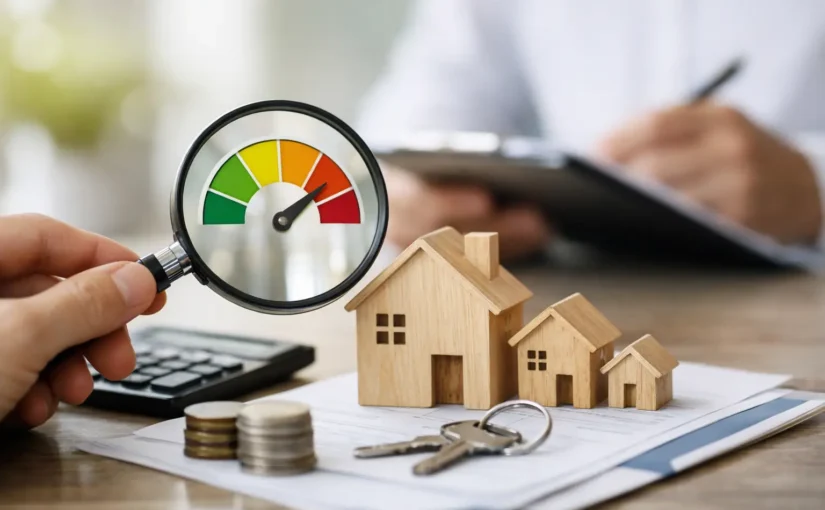
A loan denial can feel personal, especially when you are trying to grow a business, cover payroll, or keep cash flow steady. The good news is that business funding with bad credit is possible. The better news is that approval often depends on more than one score.
Many business owners assume bad credit automatically ends the conversation. In reality, lenders, cash flow providers, and alternative financing companies look at a wider picture. They may consider your monthly revenue, time in business, open invoices, available collateral, or even the strength of your customers. That does not mean every offer will be a good one. It means you have options, and the smart move is knowing which ones are worth pursuing.
What business funding with bad credit really looks like
If your personal credit score is low, you may still qualify for financing, but the terms usually reflect the added risk. That often means higher rates, shorter repayment periods, lower funding amounts, or more frequent payments. For some businesses, that trade-off is acceptable if the capital solves a problem that directly improves revenue. For others, expensive financing can create a bigger strain than the original cash shortage.
This is where honesty matters. Funding should help your business breathe, not put it in a tighter position. Before applying anywhere, you need a clear sense of why you need the money, how much you actually need, and how repayment will fit into your current cash flow.
A business that needs $15,000 to replace essential equipment has a very different borrowing case than one trying to cover losses with no plan to recover. Lenders may both label these situations as risk, but one has a stronger path forward.
What lenders may review besides your credit score
Bad credit matters, but it is rarely the only factor. Some lenders place more weight on your recent bank deposits, average monthly sales, unpaid invoices, or years in operation. If your score is weak but your business is generating consistent income, that can strengthen your application.
They may also look at whether you have recent bankruptcies, tax liens, collections, or missed payments. A low score caused by older issues can be easier to work around than active financial trouble happening right now. If your credit report contains errors, that can make your situation look worse than it really is, which is why reviewing your reports before applying is so important.
For newer businesses, things get a little more complicated. Startups with bad credit often have fewer choices because there is limited revenue history to offset the risk. In those cases, equipment financing, secured options, or a strong co-signer may help, but approval is still more selective.
The most common funding options for bad-credit borrowers
There is no single best product for every business. The right fit depends on urgency, cost tolerance, and how stable your revenue is.
Short-term business loans
These are often easier to qualify for than traditional bank loans. Many online lenders move quickly and focus on revenue trends more than perfect credit. The downside is cost. Short-term loans can carry high fees, and the repayment schedule may be weekly or even daily.
That pace works best for businesses with strong and predictable incoming cash. If your revenue comes in uneven waves, frequent payments can become a problem fast.
Business lines of credit
A line of credit gives you access to funds up to a limit, and you only pay for what you use. It can be useful for covering short-term gaps, managing inventory, or handling seasonal slowdowns. With bad credit, limits may be lower and pricing may be less favorable, but the flexibility can still make it a practical tool.
This option is often better for recurring cash flow needs than a one-time emergency.
Invoice factoring or invoice financing
If your customers take time to pay, your unpaid invoices may help you access working capital. With factoring, the provider advances funds based on those invoices and collects from your customer later. With invoice financing, you usually keep control of collections.
These products can be easier to qualify for because the strength of the invoice matters, not just your credit score. They tend to work well for B2B companies with reliable clients and clear payment histories.
Merchant cash advances
This is one of the most accessible forms of business funding with bad credit, but it is also one of the most expensive. The provider gives you an advance and collects repayment from future sales, often through daily card receipts or automated withdrawals.
For a business with high margins and steady volume, it may solve an urgent need. For a business already operating on thin margins, it can quickly become a cycle that is hard to escape. Fast approval should never be the only reason to accept an offer.
Equipment financing
If you need a vehicle, machine, or specialized equipment, financing tied to that asset may be easier to obtain. The equipment itself helps secure the loan, which lowers lender risk. This can be a smart route when the purchase directly supports production or revenue.
The catch is simple: this money is usually restricted to the equipment purchase. It will not solve general working capital problems.
SBA and bank financing
Traditional banks and SBA-backed loans usually have tighter standards, but they should not be ruled out automatically. Some borrowers with challenged credit still qualify if the rest of the file is strong, especially with collateral, established revenue, or a solid explanation for past credit issues.
The process tends to take longer, and documentation requirements are heavier. If you need funds immediately, this may not be the right first move. If you can wait, lower rates may make the effort worthwhile.
How to improve your approval odds before you apply
A rushed application can cost you time, money, and points on your credit if hard inquiries stack up. Preparation matters.
Start by reviewing your personal and business credit reports. Look for inaccurate late payments, duplicate accounts, outdated balances, or collections that should not be reporting. Errors can drag down your score and distort how lenders view your risk. If there are mistakes, address them before applying when possible.
Next, organize your financial documents. Most lenders will want recent bank statements, proof of revenue, tax returns, and basic business information. A clean file signals stability. It also helps you compare offers more confidently because you are not making decisions under pressure.
Then, be realistic about the amount you request. Asking for far more than your revenue supports can weaken your chances. It is often better to request what your business can reasonably repay and build from there.
Finally, know your purpose. Lenders respond better when the use of funds is specific. Buying inventory before a busy season, repairing a delivery van, or consolidating high-cost business debt tells a stronger story than simply saying you need cash.
Red flags to watch for
When credit is damaged, desperation can make bad offers look acceptable. That is where many business owners get trapped.
Be cautious if a provider avoids explaining the total cost, focuses only on the payment amount, or pressures you to sign the same day. Watch for unclear factor rates, prepayment penalties, confessions of judgment where allowed, or aggressive automatic withdrawal terms that leave little room for your normal expenses.
A lender saying yes is not proof that the loan is affordable. Approval and suitability are not the same thing.
When fixing credit should come first
Sometimes the smartest funding strategy is waiting long enough to improve your credit profile first. That may sound frustrating, especially if you need money now, but even a modest score improvement can open better rates and more manageable terms.
If your credit report contains inaccuracies, recent utilization spikes, or unresolved negative items that can be addressed, working on those issues may save you far more than rushing into high-cost financing. This is especially true if your business is not in immediate danger and the funding need is tied to future growth rather than a current emergency.
For owners dealing with both personal credit problems and business financing goals, a guided approach can help. Credit At Last works with people who need more than generic advice. When your credit profile is holding back major financial decisions, having support to identify errors, understand your reports, and build a plan can make the next funding application stronger.
A smarter way to think about next steps
Business funding is not just about getting approved. It is about choosing capital that gives your business a real chance to move forward. If your credit is bruised, focus on lenders that look beyond the score, prepare your documents carefully, and measure every offer against your actual cash flow.
Second chances in business are real, but they work best when they are paired with a plan. The right financing can buy time, create momentum, and support growth. The wrong financing can turn a temporary challenge into a long-term burden. Give yourself enough room to tell the difference.