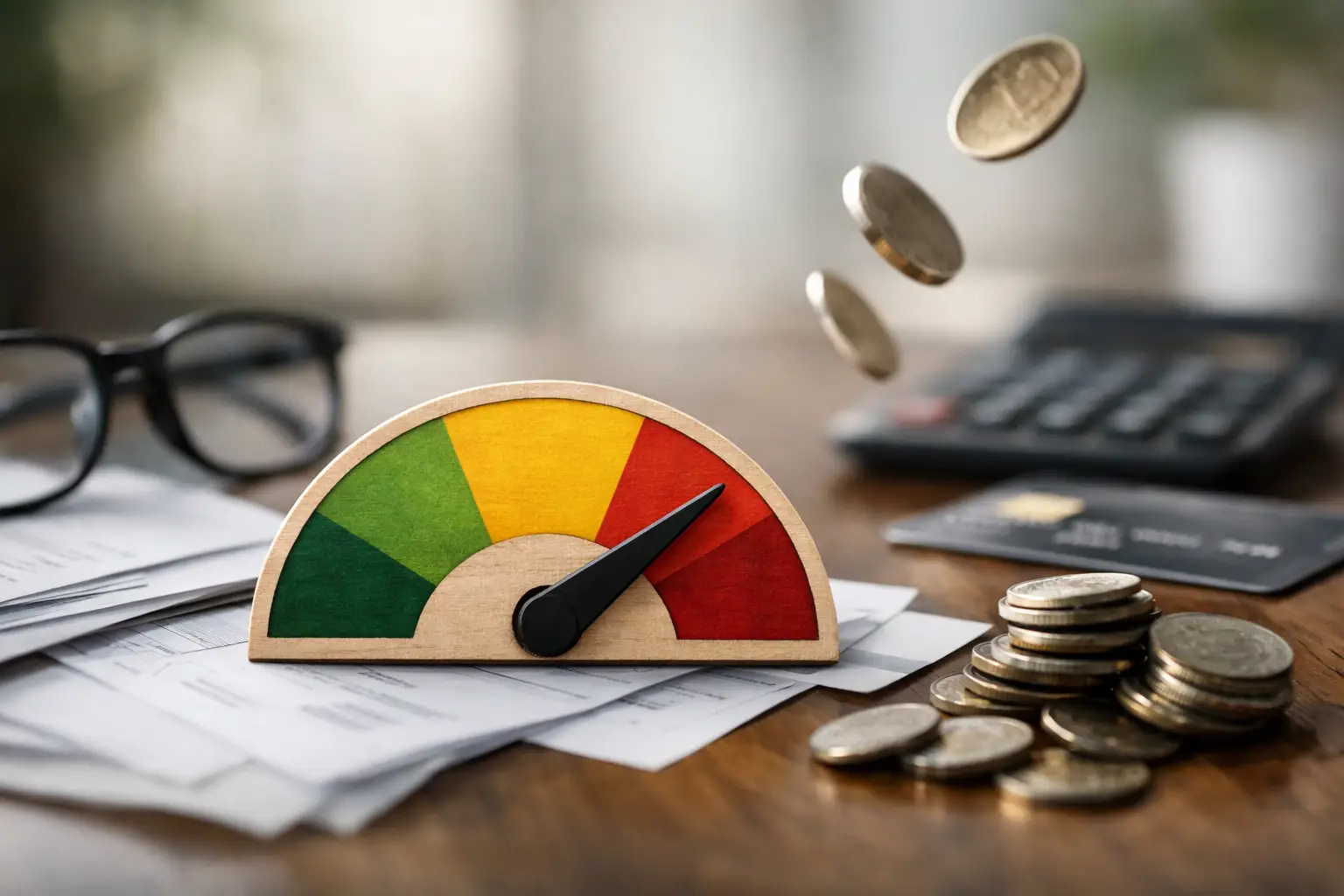
A credit score can fall before most people realize anything changed. You make a payment a few days late, a credit card balance jumps after an emergency, or an old account closes without much thought – then your score drops and suddenly a car loan, apartment application, or mortgage rate looks very different. If you have been trying to understand the top reasons credit scores drop, the good news is that most score changes have a clear cause, and many can be addressed with the right plan.
The top reasons credit scores drop
Credit scores do not usually fall for random reasons. They drop because something in your credit report signals more risk to lenders. Sometimes that signal is accurate, like a missed payment. Other times it comes from a reporting problem, outdated information, or a balance spike that does not reflect your overall habits.
Understanding the cause matters because the fix depends on what changed. A 30-day late payment needs a different response than a maxed-out card or a hard inquiry from a loan application.
Late payments are one of the biggest score killers
If you remember only one thing, make it this: payment history carries serious weight. A payment that is 30 days late can cause a meaningful score drop, especially if you had strong credit before. The later the account becomes, the worse the damage tends to be.
This is also where people get caught off guard. A due date that slips by a week usually does not hit your credit report right away, but once the account becomes 30 days late and is reported, the score impact can be sharp. Missing a credit card payment, auto loan payment, personal loan payment, or mortgage payment can all hurt.
The trade-off here is timing. If you catch up before the creditor reports the delinquency, your score may avoid the hit. If it has already been reported, recovery usually takes time, along with a strong pattern of on-time payments going forward.
High credit card balances can drag scores down quickly
One of the most common answers to why scores fall suddenly is credit utilization. That simply means how much of your revolving credit you are using compared with your limit. If you usually carry low balances and then one month your card reports near the limit, your score can drop even if you paid on time.
This often happens after holidays, medical bills, travel, car repairs, or a temporary income gap. People assume the score only cares whether they paid, but balances matter too. Using a large share of available credit can suggest financial stress, even when the spending was necessary and temporary.
It depends on how high the balances are and how many cards are affected. One card at 90 percent utilization can cause damage even if your overall utilization looks decent. On the other hand, if you pay the balance down before the statement closes, the score impact may be limited.
Why credit scores drop even when you pay on time
This is where credit gets frustrating. Paying on time is essential, but it is not the only factor. Plenty of consumers see a drop and assume there must be a mistake because they never missed a payment. Sometimes there is a mistake. Other times the issue is a change in account structure, usage, or report activity.
Closing a credit card can reduce available credit
People often close old cards for smart personal reasons. Maybe the annual fee is no longer worth it. Maybe they want fewer accounts to manage. Maybe they are trying to be more disciplined. But closing a card can lower your total available credit, which may raise your utilization ratio overnight.
For example, if you had $10,000 in total credit limits and closed a card with a $4,000 limit, the same balance now uses a much bigger share of your available credit. That can push your score down even though your debt did not increase.
There is another possible downside if the closed account was one of your older cards. Length of credit history plays a role in scoring. The effect is not always immediate or dramatic, but in some cases closing an old account can weaken the profile over time.
Hard inquiries can cause a temporary drop
When you apply for new credit, the lender may perform a hard inquiry. One inquiry usually causes a small, temporary dip, but several inquiries in a short period can have a larger effect. This is especially true if you are applying for multiple credit cards or personal loans because lenders may read that as a sign of increased borrowing need.
There are exceptions. Certain scoring models treat rate shopping for auto loans or mortgages more favorably when the applications happen within a focused time window. Still, if you are already trying to stabilize your score, too many applications can work against you.
A new loan or card can lower the average age of accounts
Opening new credit is not always bad. In fact, it can help over time if it improves your credit mix or lowers your utilization. But in the short term, a new account can reduce the average age of your credit history. That is one reason scores sometimes dip after approval, even when the account is in good standing.
This is a good example of credit being more nuanced than people expect. A move that helps in six months can cause a temporary setback now.
Serious negative items can cause major score drops
Some credit events do more than nudge your score. They can create a steep decline and stay on your report for years if not addressed.
Collections, charge-offs, and defaults
When an account goes unpaid long enough, it may be sent to collections or charged off by the original creditor. These items tell future lenders that the debt became seriously delinquent, and they can be highly damaging.
A charge-off does not mean the debt disappears. It means the creditor has written it off as a loss for accounting purposes. You may still owe it, and it may still be collected. If both the original account and the collection account are reporting inaccurately, the harm can multiply.
Repossession, foreclosure, or bankruptcy
These are major derogatory events. They signal a severe breakdown in repayment and can affect your ability to qualify for favorable credit for a long time. The score impact depends on your starting point, the rest of your report, and how recent the event is, but these items often cause some of the biggest drops people experience.
If you are dealing with one of these situations, the right next step is not shame. It is strategy. Review the reporting carefully, confirm accuracy, and build a recovery plan around current accounts, balances, and payment habits.
Credit report errors can lower your score too
Not every score drop is your fault. Incorrect late payments, duplicate accounts, wrong balances, mixed files, and accounts that do not belong to you can all hurt your score. Identity theft can create even bigger damage if fraudulent accounts appear under your name.
This is why checking your credit reports matters. If your score falls and nothing in your financial behavior seems to explain it, review all three reports line by line. Look for dates, balances, account status, and personal information errors. A wrong status code or outdated collection entry can make a real difference.
For consumers who feel overwhelmed by this process, working with a guided credit repair team like Credit At Last can help bring clarity. The key is to focus on documented inaccuracies and address them methodically.
What to do after your credit score drops
Start by identifying what changed. Look at your most recent statements, recent applications, and updated credit reports. If a balance spike caused the drop, paying down revolving debt may help relatively quickly. If a late payment was reported, bring the account current and protect every payment after that. If an error appears, dispute it with supporting records.
Try not to respond by applying for more credit out of panic. That can add inquiries and make the situation worse. Instead, slow down and match the solution to the cause.
If your score dropped because life got expensive, you are not alone. If it dropped because of a reporting mistake, you have the right to challenge it. And if it dropped because of past financial hardship, that does not mean you are stuck there. Credit can be rebuilt step by step, with the right information and consistent action.
A falling score can feel personal, but it is really a signal. Once you know what it is telling you, you can make smarter moves, protect your progress, and start creating the kind of credit profile that supports the life you want.